
Bear with me. You probably read this article and thought,
Town Council… need content meh?
Does anyone even care about Town Councils?
We were on a mission to make them care.
Why? Let me first tell a story.
Communities live and die because of marketing and PR
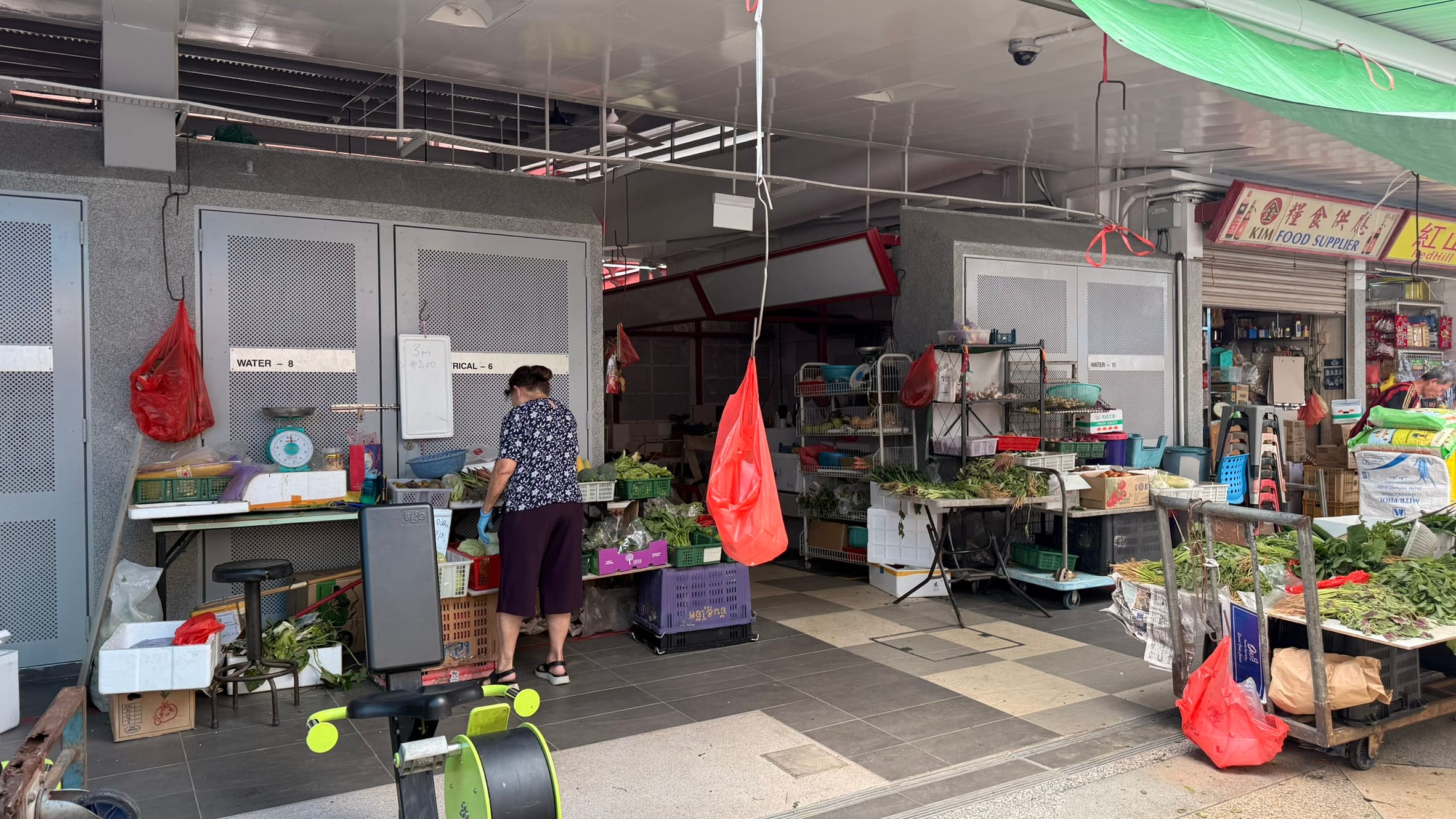
I stared at the elderly couple behind the store. Whenever people passed by, their eyes would light up, but then slowly, when the person passed without walking in, their eyes would dip again. One could see the sad reality of running a store in Singapore’s heartlands.
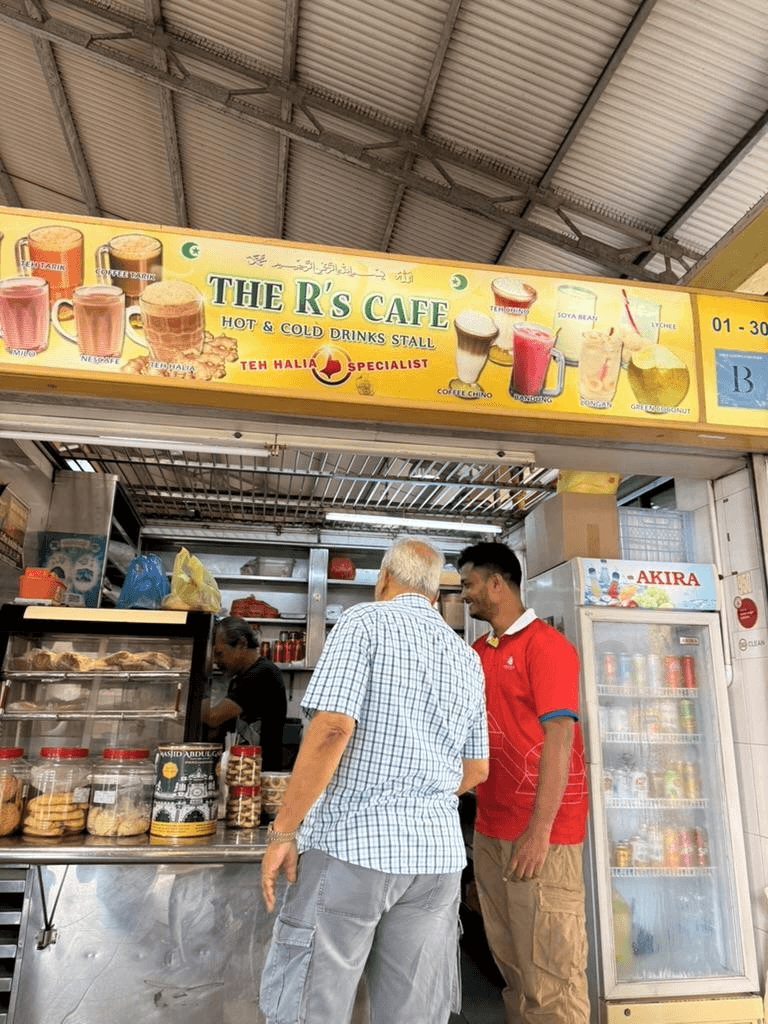
Just a few stalls down, there was a long queue forming at the hawker stall. I tried what everyone was queuing for and could not believe what I was tasting. There was nothing incredible about it.
It was average.
Such was the difference between good, and little marketing, especially in hyperlocal niches like suburbs. When we were first selected to do the work of writing newsletters for Town Councils, we weren’t too sure what to do.
After all, it was a Town Council. How exciting could it get? And most people’s thinking of a Town Council was
- It clears 3 bulky items.
- It keeps my estate clean.
But lo and behold, it definitely did more than just that. A Town Council wasn’t just about municipal work like sweeping up your litter, it was about creating thriving communities.
And no, this isn’t just hyperbole and grandiose terms which politicians proclaim to make it seem like they care about your neighbourhood.
Luckily for us, we had a Town Council that really cared, and had good ideas.
For one, what made it easier for me was that both the client, and us, genuinely cared. Sure, they paid us X dollars to write some newsletters. We could definitely go the way of most other agencies, and ghostwrite run of the mill articles covering the occasional infrastructure upgrade.
But I believed that
communities lived and died by
the quality of their content.
You’ve to find your own conviction if you find yourself brand-building for public agencies or non profits – like doing their annual reports. If you don’t care much for the cause, here’s some unsolicited advice.
Go somewhere you actually care about.
The lack of concern would do more harm than good to the communities you’re a part of.
I remembered a time when I was a full-time social worker in a Family Service Centre and tasked with raising awareness of it within the local community. I was doing the work, but never really coming up with fresh ideas about how to make it appealing. Our Instagram never really died, but it never got off the ground too.
For the mum and pop store we found by the tiny nook of Dawson Road, or the ground-up initiative we found nestled in Queenstown, all of them started with good intentions.
But there were increasing pressures with the heavy cost of rent, or just life itself getting in the way of volunteers supporting it on a monthly basis.
We wanted to amplify these initiatives so they would overcome these challenge, and so that the community could benefit. After all, there was no point creating something great if no one knew about it, right?
But of course we first had to know where to find these great things.
So we slowly walked the ground, and drank lots of chai with the ‘lobang kings’
It started with talking to the cleaners, who were so close to the daily happenings, that it would be hard to do something without them knowing.
That was how we first got to see Dipomkar, and how he worked. It eventually culminated in an article about a day in his life, but more importantly, a lead.
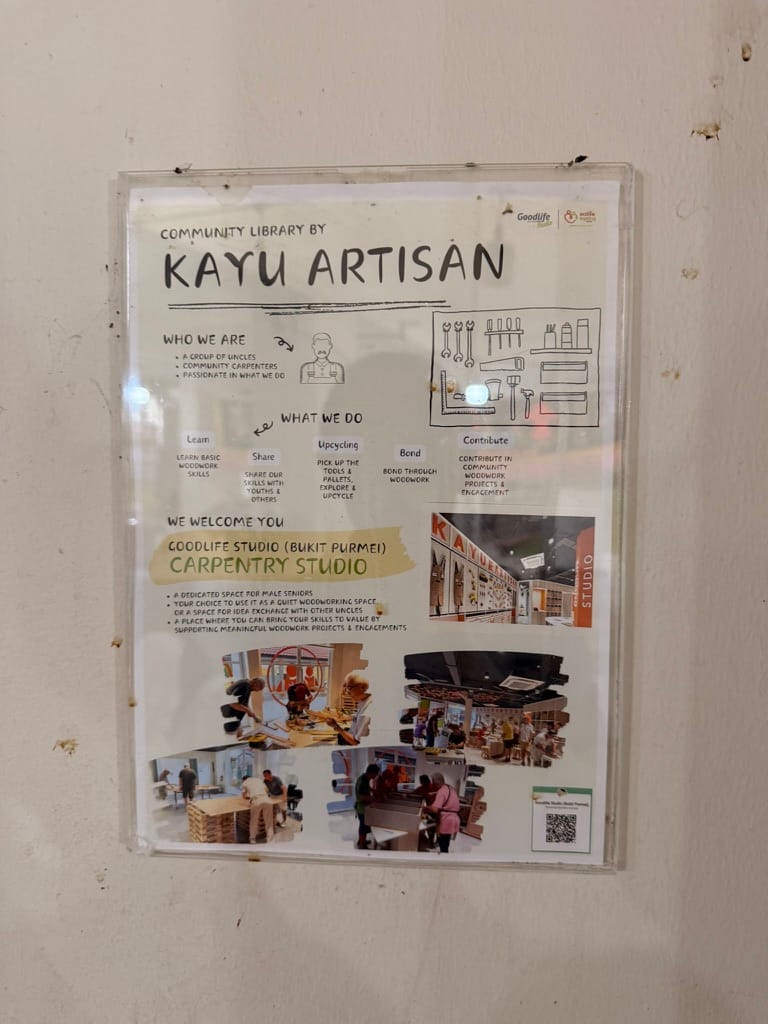
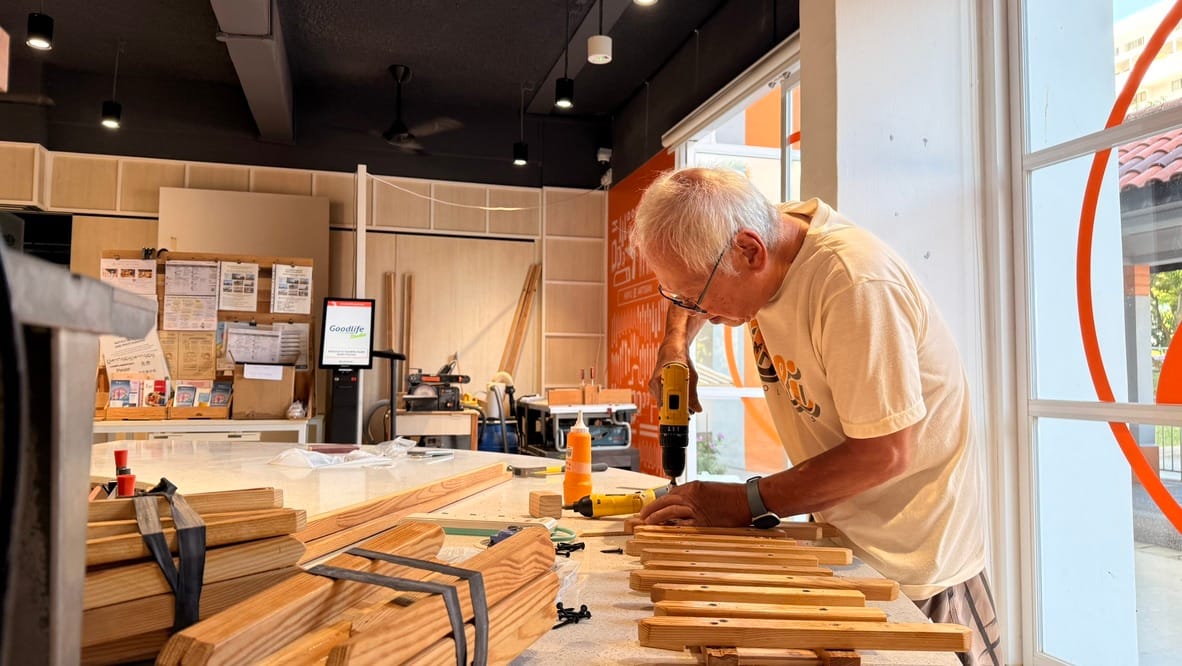
It was the Kayu Artisans workshop, which we found hiding in a little poster in Telok Blangah. When I first saw it, I nearly shouted for joy! Here was such a brilliant initiative, yet so few seemed to know about it.
Why? Because some content agencies tended to wait for information from Town Councils, rather than sourcing for content themselves. But this also forced me to ask a fundamental question,
Would I read the newsletter of my own Town Council in Aljunied?
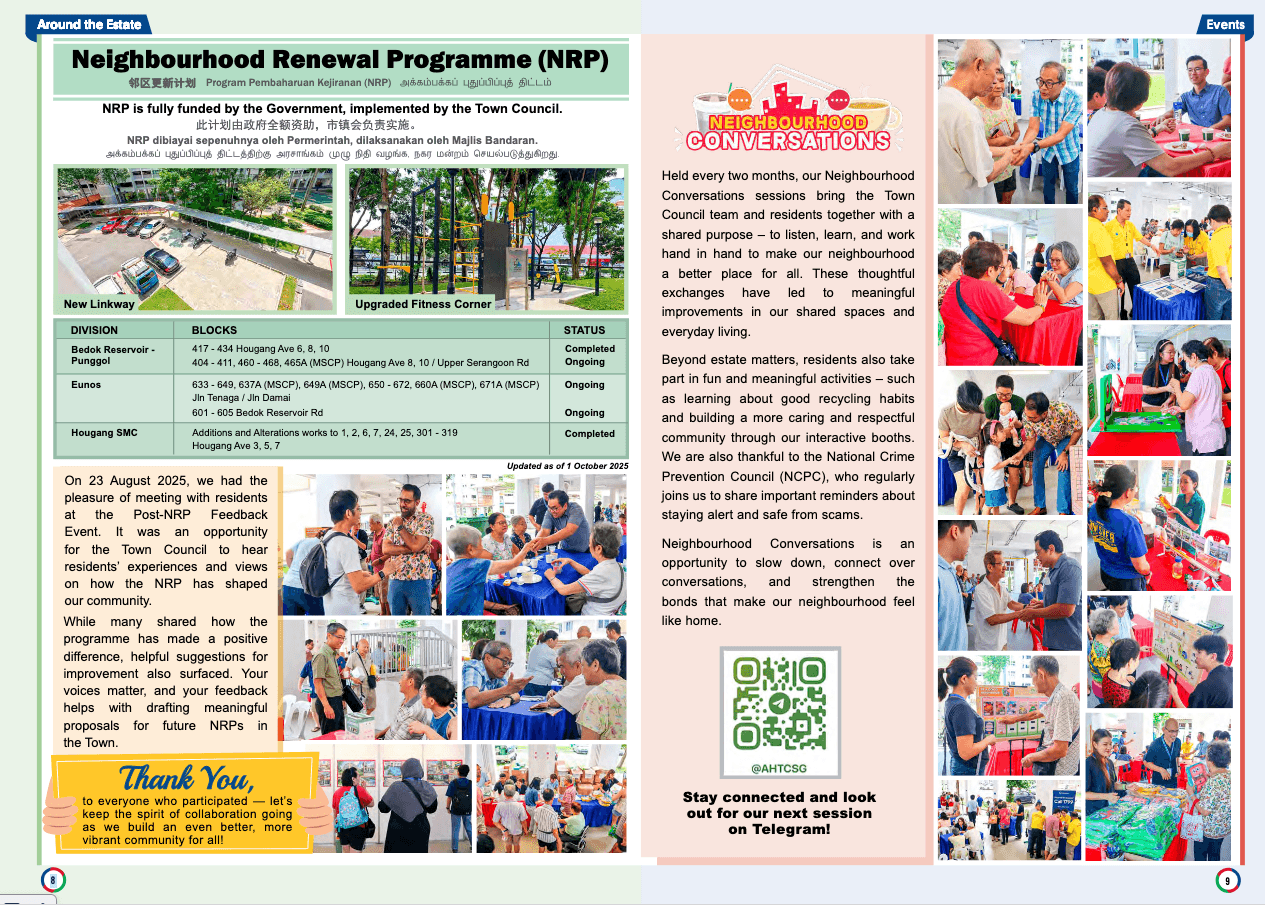
The plain answer, was no.
And if I wouldn’t read it, why would I expect others to read it?
Same question to you,
would you read your own agency’s work, in your own free time?
Don’t just ask yourself or the team that’s paid to do this. Ask those who read it in their free time. Yes, they might be sitting on the toilet bowl as they read your content, but at least they are reading.
And you’ve to understand why.
- What are they reading for?
- What curious insight or idea are they searching for?
Some might think,
you’ve gotta be pretty siao-on to read the Public Service Division’s Challenge magazine.
But people read it because it adds career advice.
If you won’t read your Town Council (or your government agency’s content), why do you expect someone else to read it?
Thus began a deeper search into what problems people were facing, and how to build the content to solve those problems.
For us, content is simply a problem-solving method. People face a problem, Google the answer, and try to apply the answer.
We had some initial hypotheses about what problems the Town Council was uniquely placed to solve, better than anyone else.
- People were hungry, and wanted good food nearby.
- Residents were looking for community groups and activities they could be a part of.
- More specifically, with the older residents in this estate, we thought that supporting the active ageing of these residents would help.
- Residents knew the concerns facing local businesses, and wanted to support them. (This was a hunch, and we weren’t quite sure about it.)
So we started walking, and finding good angles.
Because we knew that there was a limit to how interesting infrastructure upgrades could be.
It’s not the story, it’s the angle
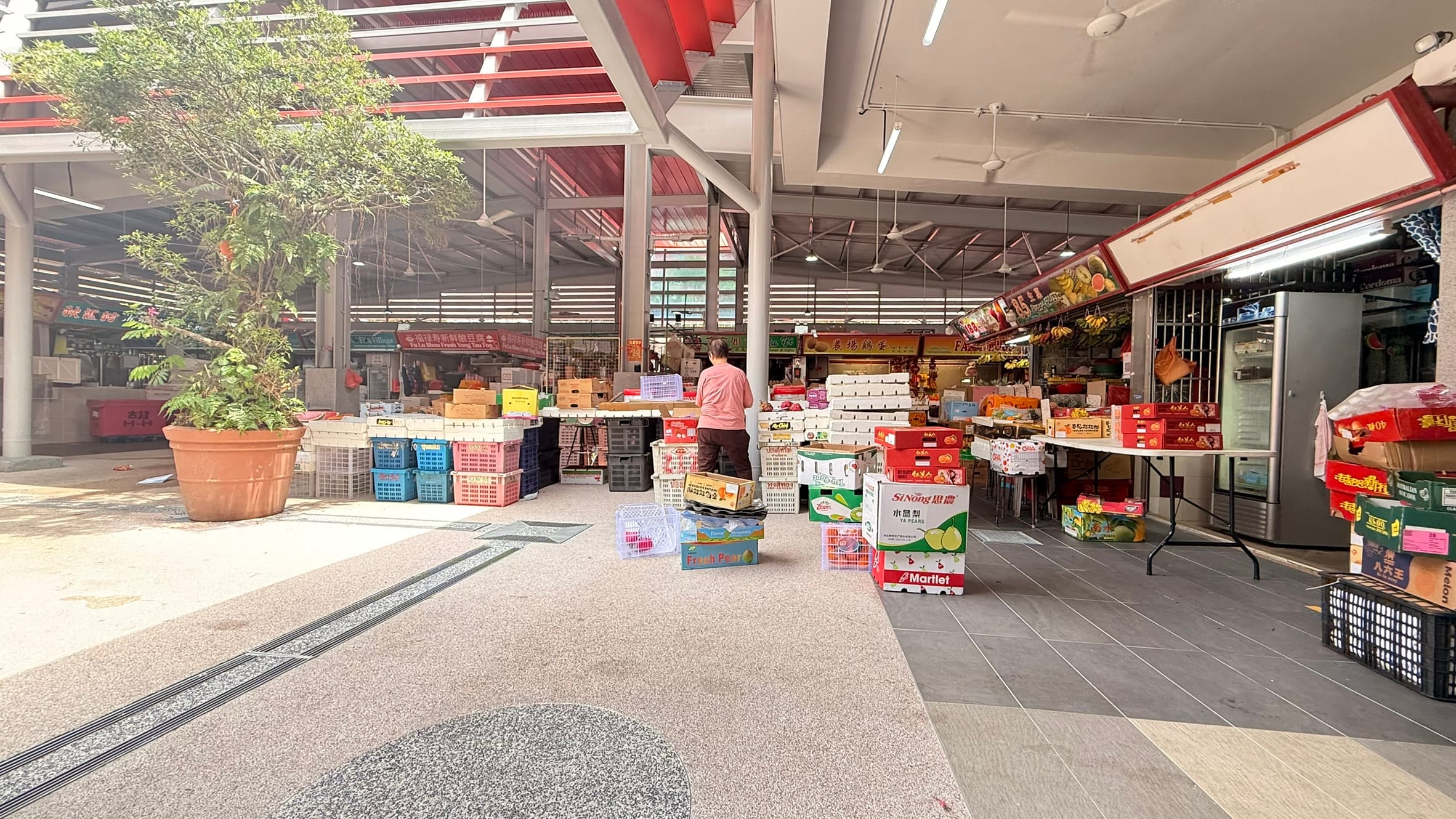
Let’s start with one of the most recent we did. A hawker centre upgrading.
Nothing special?
Full credit to the town council, their writer gave a fantastic angle.
Why not talk about where the hawkers went when the market was being upgraded?
Well, that was new. Beyond just sharing about the new tables and widened walkways, we could dice the Redhill Market upgrading article in a different way, so that readers would actually want to visit it.
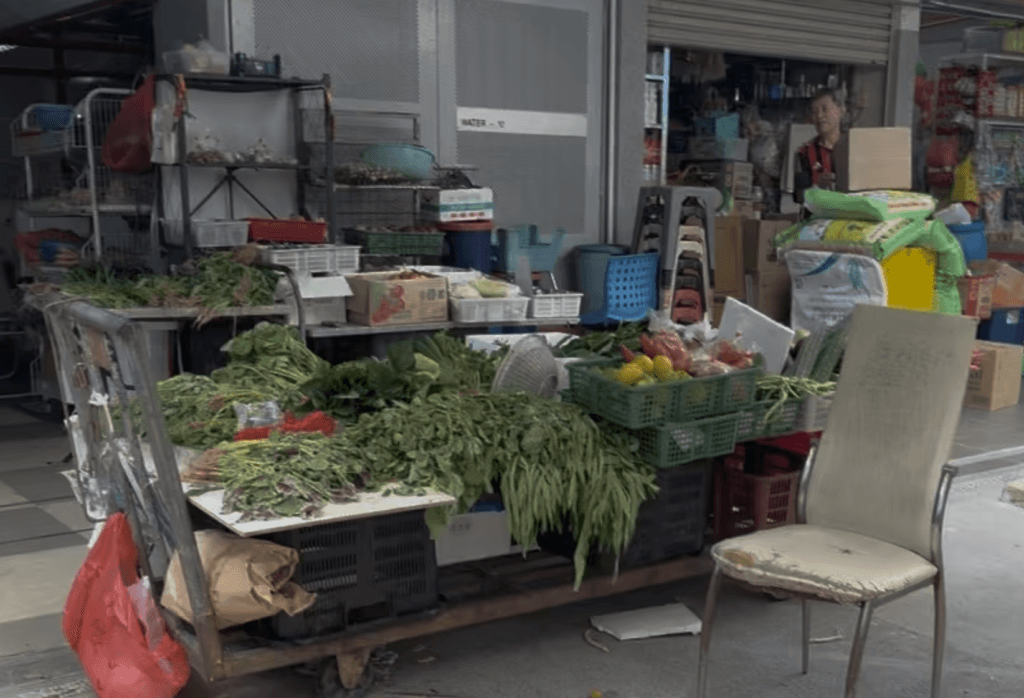
We walked the newly upgraded market, and then spoke to the hawkers there. We thought they would talk about the holidays they went.
Strangely, all spoke about rest. The article became a wider piece about how hard it was to run a hawker stall today, and how we could all chip in to support their business, rather than taking the simpler path of shopping at another air-conditioned supermarket or fast food chain.
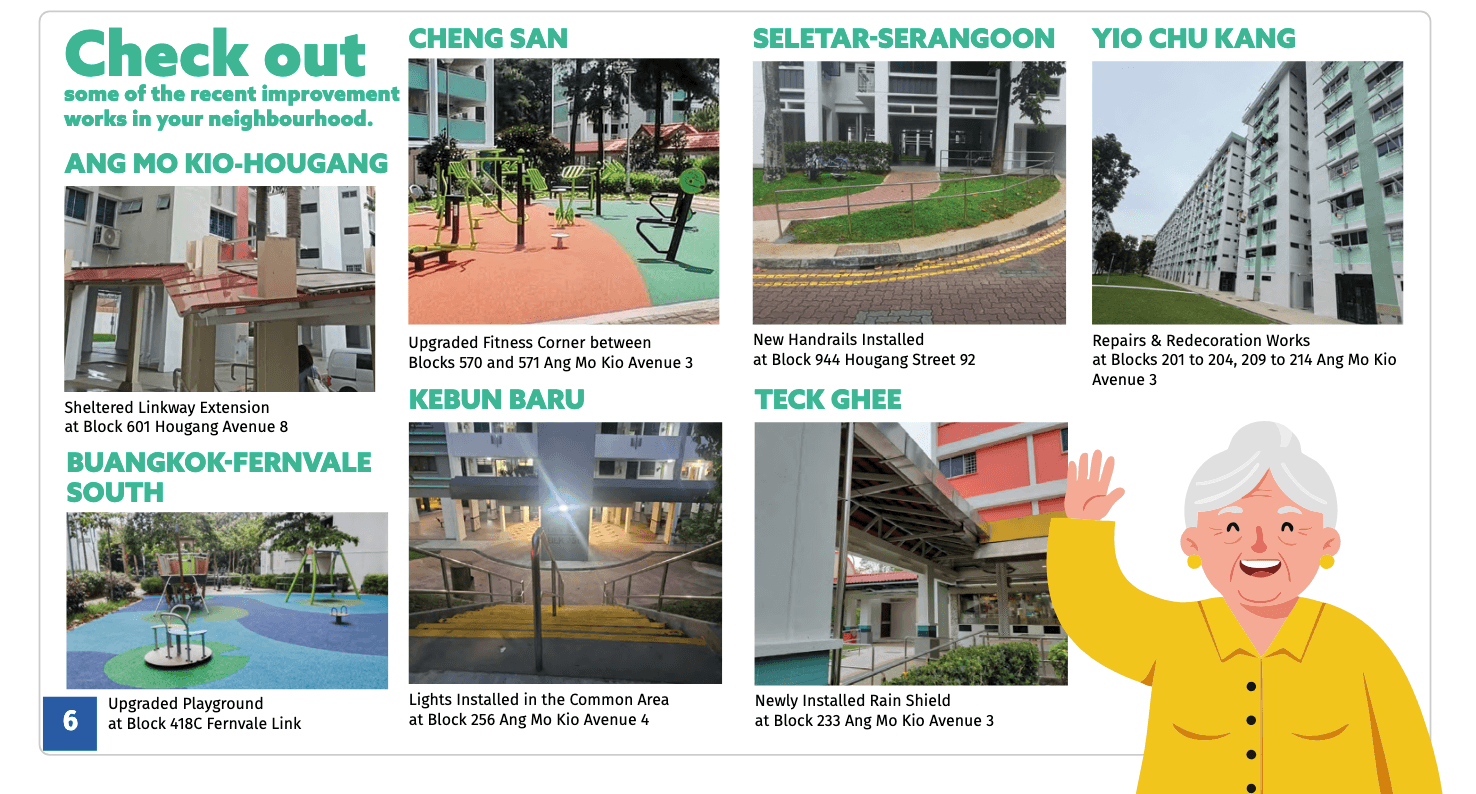
For example, in other Town Councils, it’s often a simple listing of what’s been done.
How did we know these ‘extra’ things about what the hawkers did?
We had to be kaypoh and thick-skinned
Being a journalist, isn’t just twirling your pen, and typing nice angles. You have to convince the right interviewee to talk to you. That’s why it often requires journalists to be great yappers, able to make friends at an instant.
For example, for that article, I had to be thick-skinned and buy many vegetables, just to get into the good books of the aunties there. And no, it wasn’t easy. I was rejected by a few hawkers who didn’t want to be featured in any way.
But I pressed on, and eventually turned across an article that we were proud of.
We were fortunate that the Town Council gave us this angle. But to go to the next mile, we had to come up with better stories. That required us to pull more connections.
We pulled every connection out of the hat
Years ago, a client (who was an architect) told me about a house he’d designed. The owner wanted to be part of the community, and from there, she’d started a group. The problem was: I didn’t know what this group was called.
So I went to the architect’s site, and tried to find where this thing was. I pulled connections to figure out how to appear there. Finally, I got a lead!
And that Saturday, I appeared, interviewed, and the piece was done – on the route home, in the MRT. It was definitely a standout moment.

Over the months, I’m proud to have looked back on a collection of articles that are different. They are not just heartfelt, they peel beneath the surface of what life is like in the GRC.
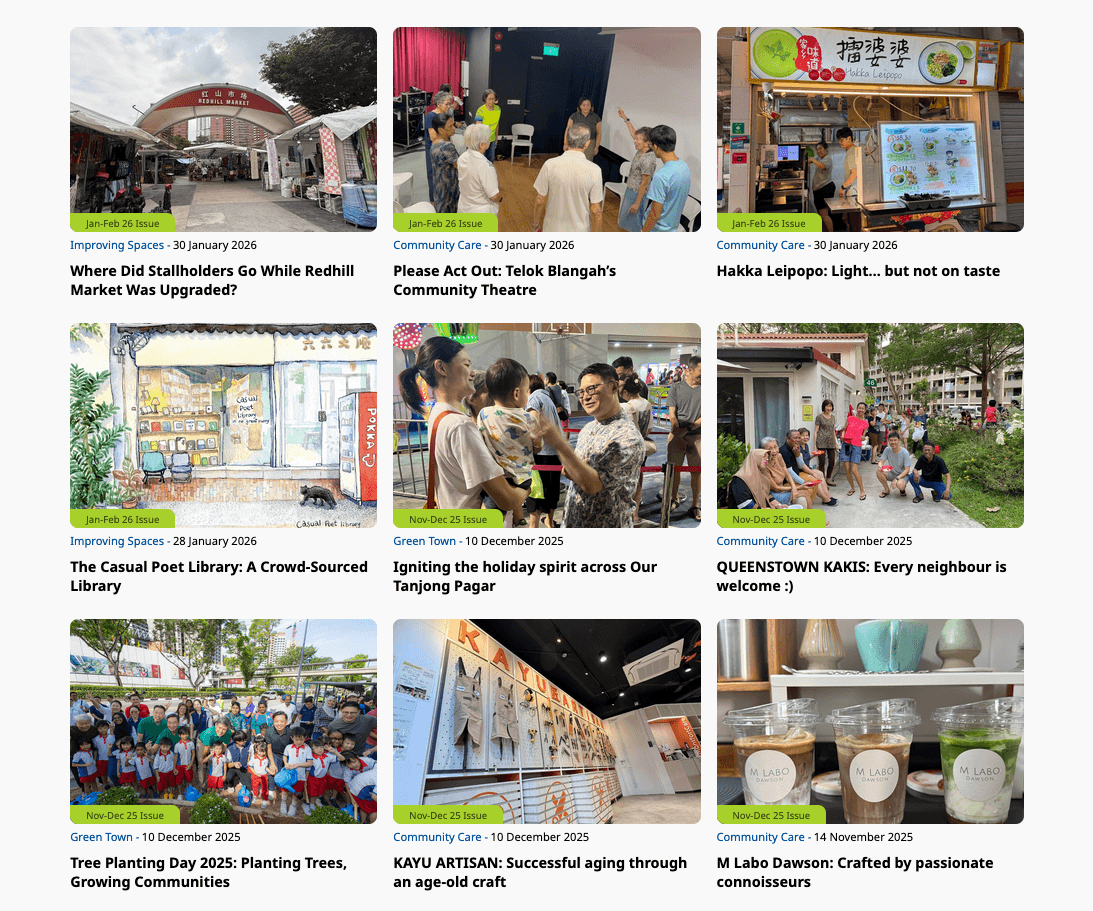
Again, full credit to the Town Council for building many of these angles, and allowing us to execute with them.
Ethnographic pieces, inserting yourself into the reader’s shoes
This has required us to be highly personal in the way we experience these things. One evening, I found myself lost in the heartlands of Queenstown, not very sure about where this community library was. I had signed up for a poetry club, but I didn’t read any poetry.
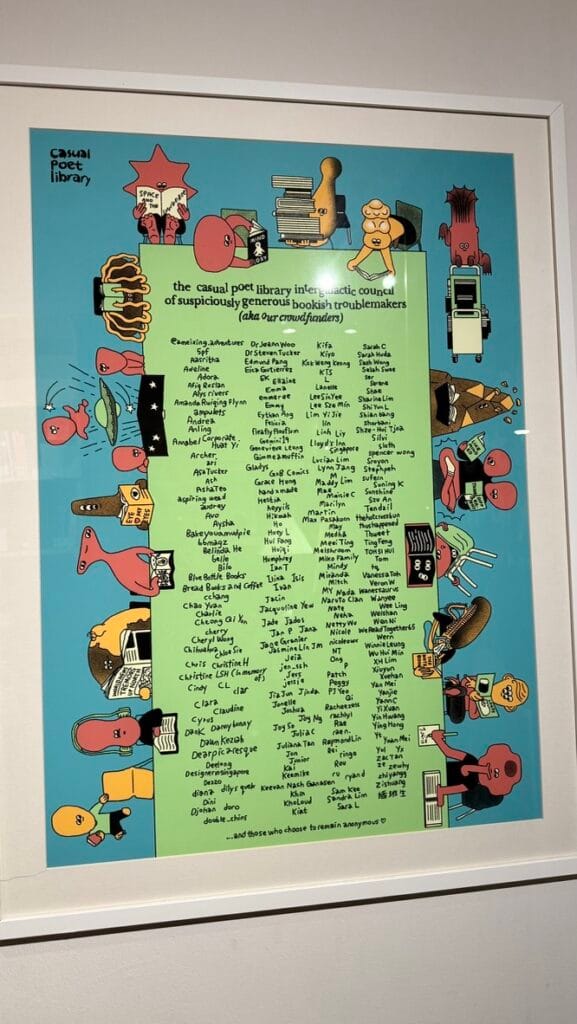
When we wrote, it was with the first-person view, so that we could empathize with what the readers would feel when they went into such a setting, and to encourage them to go.
This was our wider desire to have human-centered content that didn’t sound generated by AI. Google something today, and you’d quickly recognise the tone of AI-generated content. It gives you what you need, but not what you want.
That said, we know you’ve KPIs. So let’s go into the tactics.
Getting into the tactical
But of course, we know you’ve to show your boss that the traditional metrics like traffic, is going up. This is how we’ve been making the case.
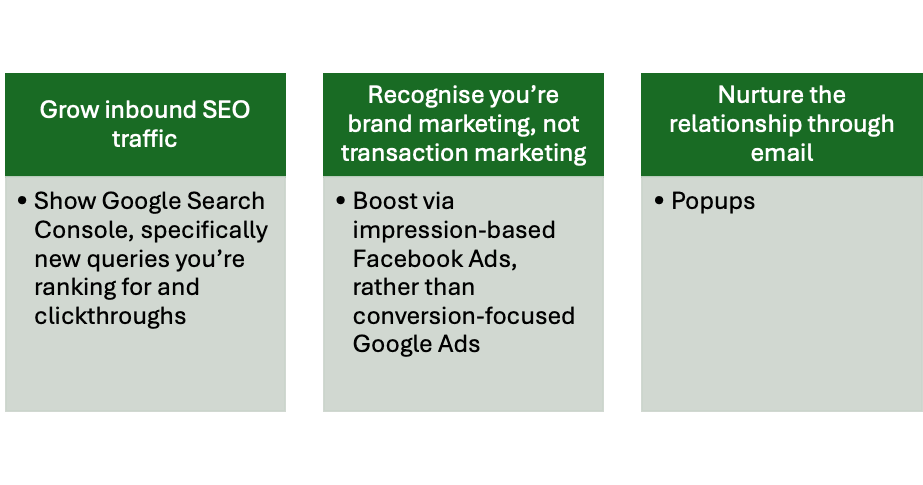
Recognise that this is brand marketing, and not always transaction marketing
In the public service, some of the content created cannot be directly translated into actions, which most marketers often measure. Checkouts, usage rates, DAUs, often don’t map that easily to the impact of your content. What we choose to measure is simple:
Email sign-ups.
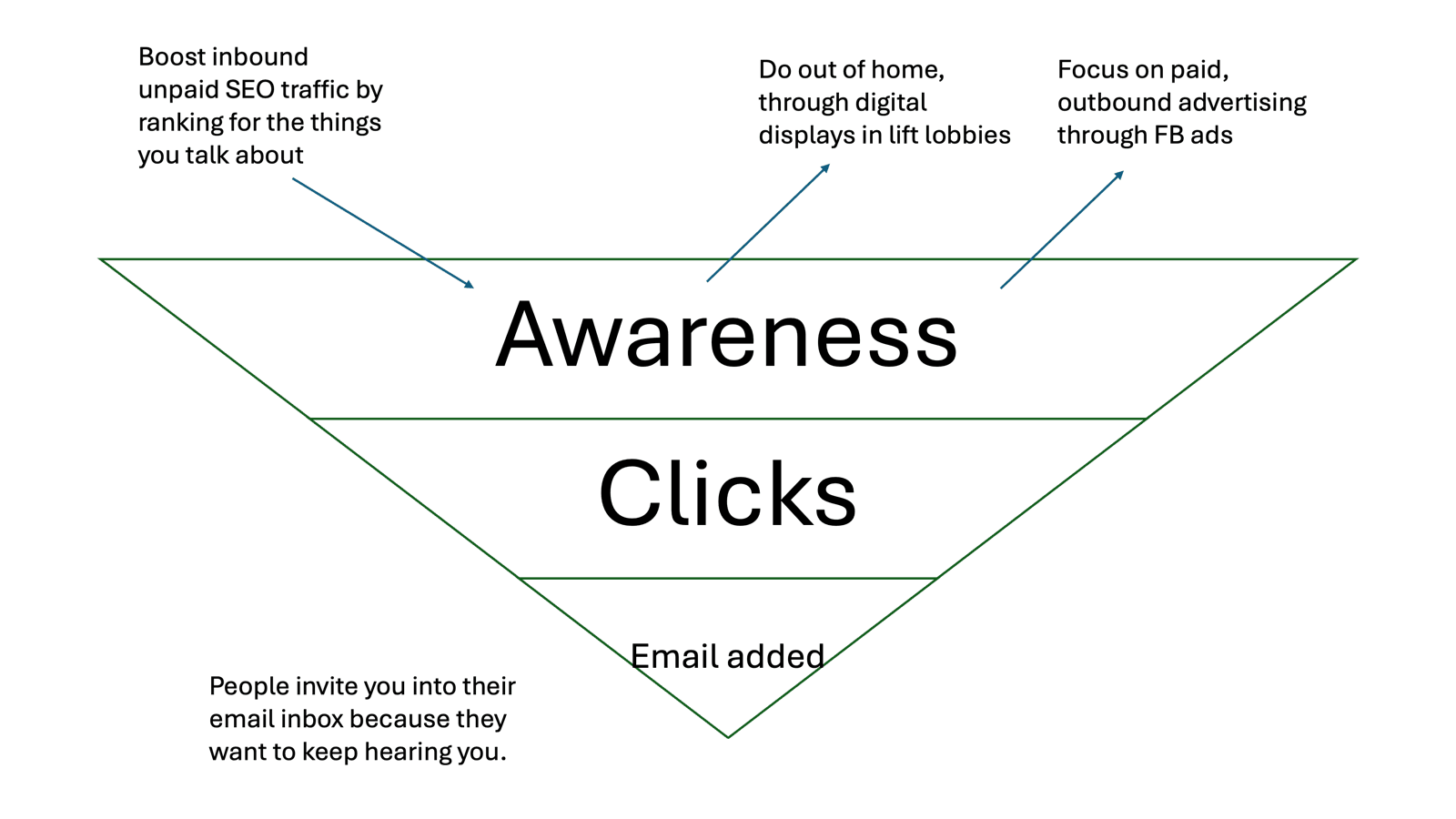
If people invite you into their inbox, it means what they read is interesting, and they want to hear more.
But content, was not going to be enough. One had to care about distribution too.
It’s not just the plane’s content fuel, but the plane’s distribution engines

“Founders often think they have an engine problem: they’re not doing enough channels, not sending enough emails, not running enough ads.
But really their fuel sucks. They’re pushing bad messaging into channels that could work if the content was better.”
Emily breaks startup marketing into three parts:
Foundation: your ICP, your positioning, your market.
Fuel: the ideas, content, and creatives you produce.
Engine: the channels you use to distribute that fuel.
I like to think of this as a plane. If you’ve good content, your fuel tank is ready. For the Town Council, they already had great fuel to fly with, but the engine wasn’t working as well. The channels that distributed the content could be improved.
Much of this involved SEO and (some) Facebook ads, so that we could let others know what we were doing.
Care enough, to communicate enough
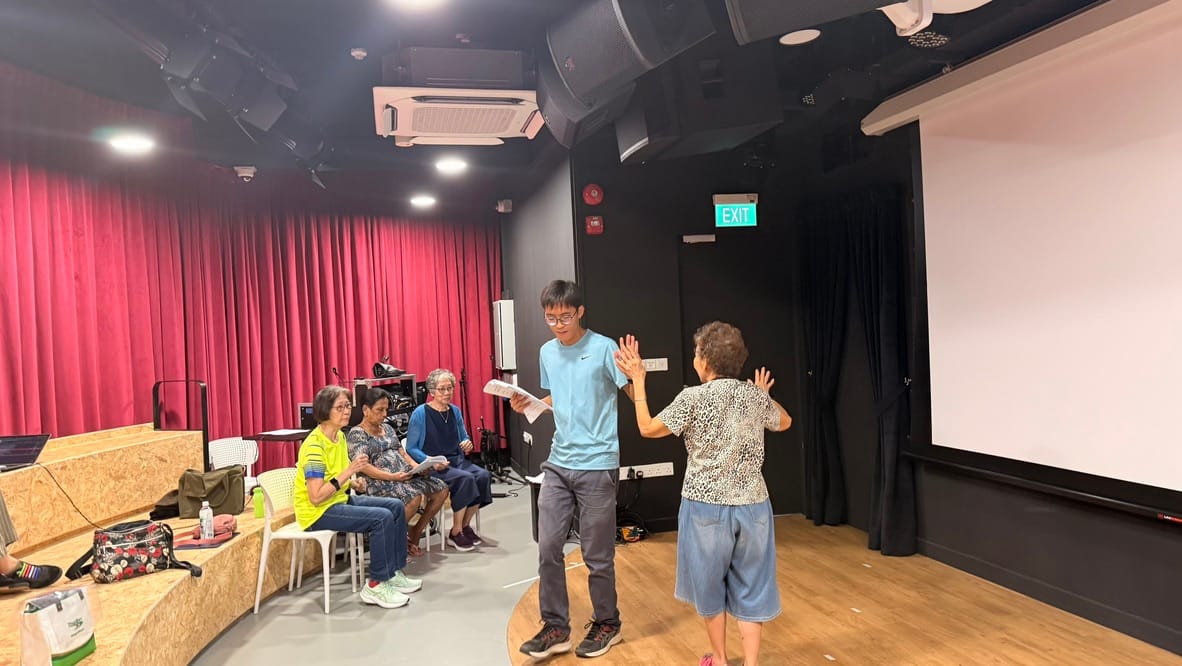
In November 2025, I was visiting a community theatre group set up for the elderly. There, I saw 7 elderly people try their best to put on a show. You could tell it wasn’t natural for them, but all of them gave it their all.
But despite such an innovative programme, few even knew that this existed, and was something they could join!
Despite all the gloom around our world’s economy, there’s still much good that remains in our community.
If we only dare to look for it, and if we care enough to communicate it well.